 Ohm
Ohm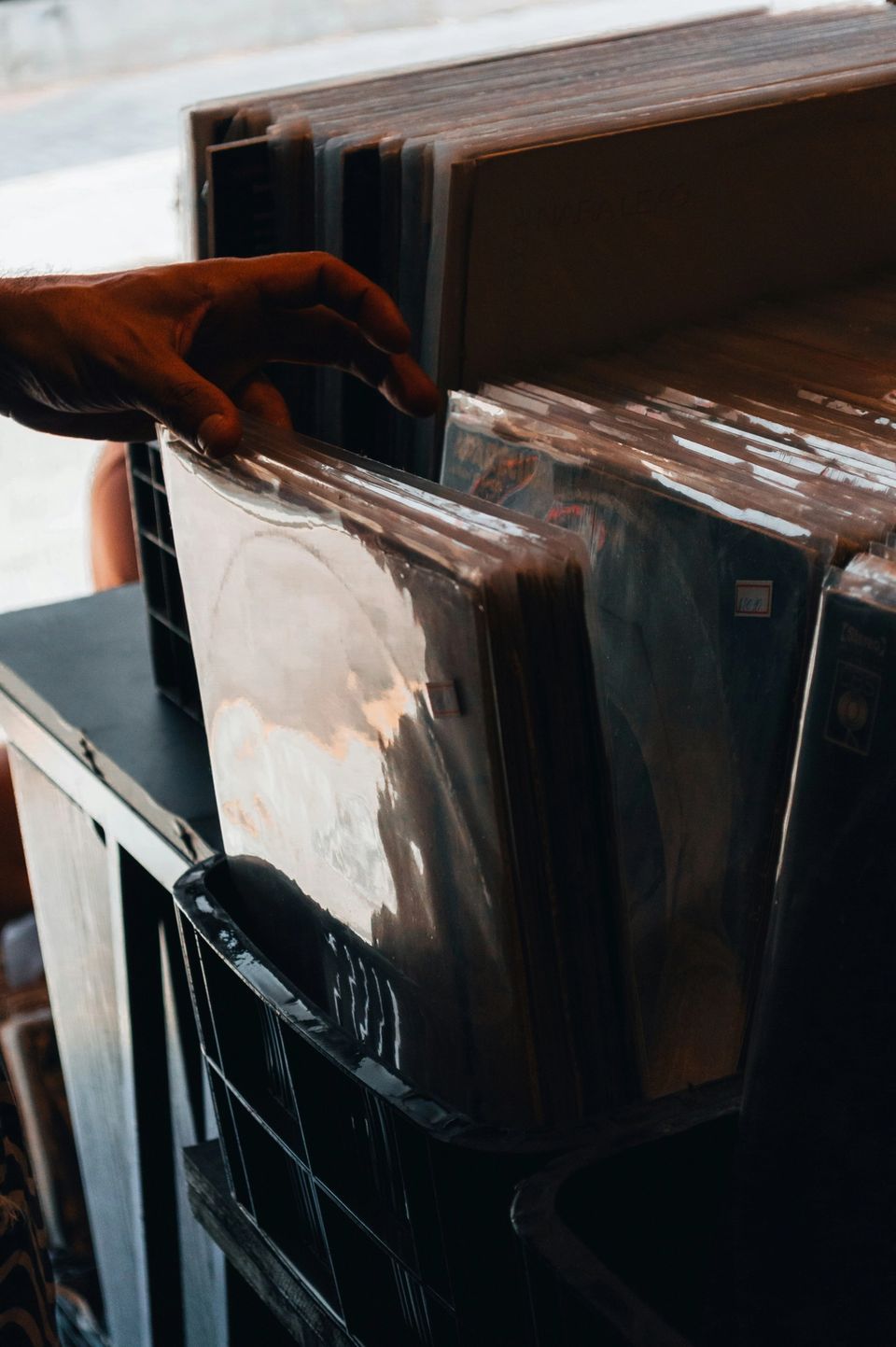
A track drops in the middle of a set at a club you were at last Saturday. You do not recognise it. Neither does anyone around you. By the time you get home and try to find it, it is not on Beatport, not on SoundCloud, not anywhere you look. A week later, someone you follow plays it. Two weeks after that, it appears on Beatport with a release date.
This is not an accident or a lucky find. It is the promo system working exactly as it was designed. The track existed before the public knew about it, and the DJs who had it were put there deliberately. Understanding why takes some history.
Where it started
In 1989, Warp Records pressed their first release on 12-inch vinyl with a blank white label. "Track With No Name" by Forgemasters, 500 copies. They put them in a car and drove them to record shops. It sold out in a week.
White labels had been circulating in UK electronic music since the early 1990s, small runs of 500 to a few thousand singles pressed with plain white sleeves and no identifying information. The blankness was intentional. The idea was that DJs should evaluate the music on its own terms, without preconceptions. If you did not know who made it, you could not lean on reputation. The record either worked in a room or it did not.
Labels like Warp built their early catalogues this way, supplying pirate radio stations and independent record shops directly. The white label was not just a practical shortcut. It was a position about how music should be heard.
How the promo chain works today
The physical white label is largely gone. The system it represented is not.
Today, most electronic music labels distribute advance promos through digital platforms. Inflyte is one of the dominant ones, used by more than 20,000 labels and agencies and reaching what it describes as 125,000 genuine industry tastemakers. A label uploads a WAV file, builds a targeted list, and the track lands in DJ inboxes weeks or months before the commercial release date. It often includes versions the public will never hear: extended club mixes, stripped edits, alternative takes.
The promo is not a favour. It is a commercial arrangement with an implicit return expected. Inflyte's RADAR feature tracks where promos get played across radio shows, playlists, and DJ sets globally — labels can see exactly which DJs on their list are spinning the music and which are not. Not playing the music you receive gets noticed. The promo system runs on reciprocity.
What gets you on the list
There are no published criteria. No minimum follower count, no booking volume threshold, no form to fill in. Access to promo lists is built through relationships and demonstrated track record, two things that develop slowly and cannot be manufactured quickly.
Genre fit matters more than raw audience size. A specialist label releasing deep house is not looking for a DJ with a large but unfocused following. They want someone who plays that specific music to audiences who care about it, in the cities and clubs where the label has cultural standing. A DJ booking at the right nights in the right rooms for a few years, building a consistent reputation in a defined niche, is more valuable to a label than someone with ten times the social following who plays across genres.
Promos come as WAV files, not streaming links. That matters on a professional sound system — compressed audio sounds different, and the difference is audible in a room that's set up to reveal it. DJs who care about playback quality have always preferred to buy or receive files, and the promo system delivers exclusive high-quality versions that will not appear on any streaming platform.
Why it still matters
In 2026, any track from the last twenty years is available for streaming in under ten seconds. The scarcity of the original white-label system is gone. So why does the promo still carry weight?
The answer is time. A track that has been in rotation for two weeks before commercial release already has a history. DJs have played it. People in rooms have heard it without knowing what it was. By the time the track appears on Beatport, it is not arriving cold; it is arriving with context, cultural momentum, and a small audience who have been waiting for it. That is something streaming cannot replicate.
The promo system also persists because it works for labels. It is a low-cost way to generate DJ support and measure interest before investing in broader promotion. A track that DJs love and play will find its audience without being pushed. One that gets no traction in advance promos is a signal worth having before the release budget is spent.
The white-label logic has not disappeared. The format changed, the reach extended, the tracking became more precise. But the core transaction, music sent early to trusted ears in exchange for support, is the same one Warp Records was running from a car in Sheffield in 1989.
Once a track has been identified in your set, the tracklist becomes part of the recording. Ohm uses Beatport alongside ShazamKit to recognise tracks while you play, building a named list in real time. More on how that works in How Ohm Identifies Tracks in Your Set.