 Ohm
Ohm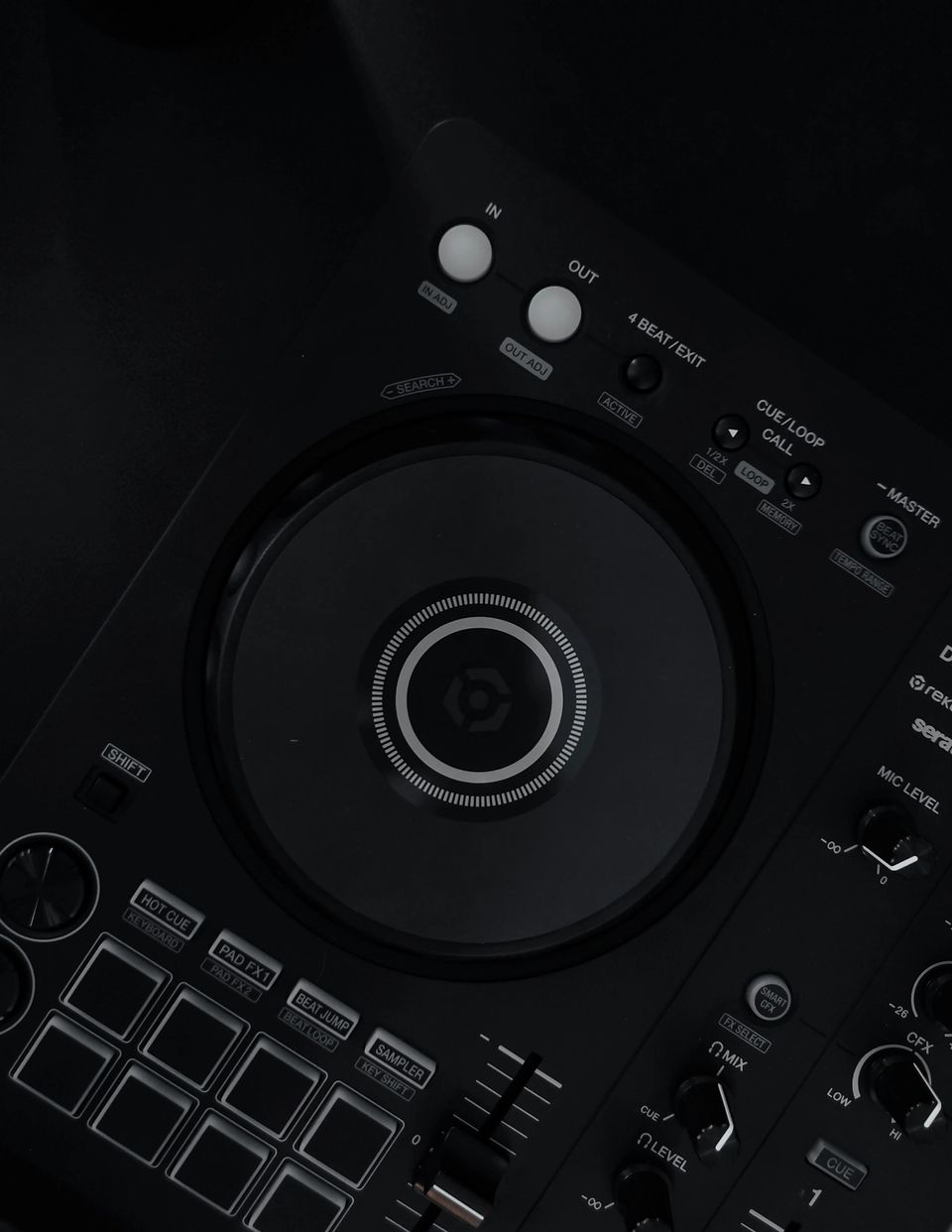
In 2016, you could walk into almost any serious club in the world and find the same thing in the booth: two CDJ-2000NXS2s and a DJM-900NXS2. It was on the technical rider. It was the standard. For a few years, that combination was DJing as an institution had agreed to define it. A decade later, that standard has started to fracture.
How the CDJ became the standard
Pioneer's first professional CD deck, the CDJ-500, arrived in 1994. It was a curiosity. The CDJ-1000 in 2001 was something different. It introduced Vinyl Mode, a scratch emulation that made the jog wheel feel like a turntable platter, and it was built to survive nightclub conditions. Before it, DJs who wanted reliability stuck to vinyl. The CDJ-1000 gave clubs a reason to consider the switch.
The displacement of vinyl was gradual. Through most of the 2000s, many serious DJs still played records. But CDJs were spreading. By the time the CDJ-2000 arrived in 2009, the shift was well underway, and that model introduced something that changed the format again: USB media and rekordbox network sharing meant you no longer needed to bring a crate of CDs. The physical disc was becoming optional.
The CDJ-2000NXS2 in 2016 locked this in. It became the default request on technical riders at major clubs and events. Whether you agreed with it or resented it, the NXS2 was what the industry had agreed on.
When CDJs went standalone
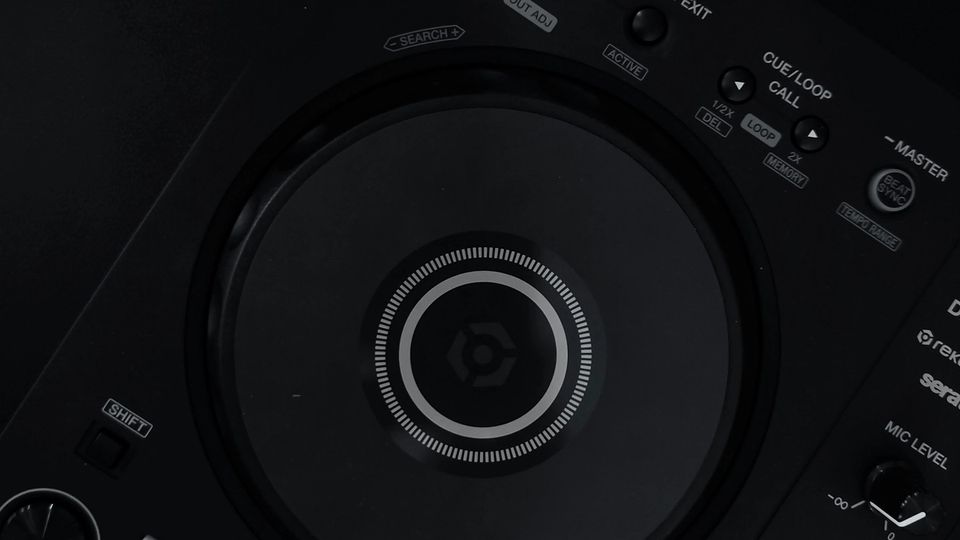
The CDJ-3000, released in September 2020, made one small decision that said a great deal. It removed the CD slot entirely.
No optical drive. The CD format, which had been the device's defining feature for 25 years, is gone. The CDJ-3000 accepts USB, SD card, or network connection from rekordbox. That is it. Pioneer had looked at the data and concluded that nobody needed the CD slot anymore, so they took it out. They were probably right. But the absence is still significant: a device called a CDJ no longer plays CDs.
The CDJ-3000 is otherwise a substantial machine. Nine-inch HD touchscreen, 96kHz/32-bit processing, Gigabit Ethernet for multi-unit Pro DJ Link. At £2,169, it is not priced for beginners. It is priced for the booth.
Pioneer also released the XDJ-XZ in November 2019, which takes a different approach entirely. It is an all-in-one unit: mixer and players combined in a single piece of hardware, no external mixer required. An answer to a different question about what a self-contained professional DJ setup looks like.
Denon's challenge
The SC6000 Prime launched in March 2020, the same month the world closed. The timing was unfortunate for Denon. But the product made an argument that was hard to ignore.
At $1,599, it undercut the CDJ-3000 by a thousand dollars. Its touchscreen measuring 10.1 inches across was larger. And it came with something the CDJ-3000 does not have: WiFi streaming built into the hardware. Beatport LINK, Beatsource LINK, SoundCloud GO+, TIDAL, and Dropbox were all integrated from launch. A DJ with an SC6000 and a streaming subscription can theoretically walk into a booth with nothing but a phone and a login.
Whether that is how people actually use it in practice is a separate question. But it represents a real argument about where hardware is going — and the local music collection, carefully prepared on a USB drive and carried everywhere, is no longer the only answer.
Pioneer holds roughly 60% of the DJ equipment market. Denon's challenge has not dislodged that. But it has pushed the conversation about hardware built around streaming first, in a way that Pioneer was not previously having to engage with.
The laptop question
Alongside the standalone hardware story, there has always been a parallel path: controller and laptop. Most DJs learn on controllers. Most professional setups are not controllers. The gap between those two facts has produced a cultural tension that has never fully resolved.
Some venues developed reputations for preferring hardware-only setups in the booth. The arguments made for this have ranged from technical (latency, reliability) to cultural (the laptop as a screen between the DJ and the room). None of these arguments are uniformly accepted. Controllers have become serious pieces of equipment. The Denon SC Live 4, released around 2023, sits somewhere between a standalone player and an all-in-one controller and pushes the line further.
Where this sits in 2026: most DJs at the professional level are playing on standalone hardware. Most DJs in the world are not at the professional level, and most of them use controllers. Neither of these facts is going away.
What comes next
The CDJ-3000 is five years old and still the industry standard. Pioneer hasn't announced what comes next. Denon is pushing further into streaming integration, and the all-in-one standalone format is expanding around both of them.
The plausible direction is that streaming becomes the default rather than the exception. The USB drive is a physical object that requires preparation, organisation and forward thinking. A streaming catalogue accessed by login requires none of those things. The hardware is already there. The streaming services are already signed.
Whether the jog wheel survives the decade is a more open question. It simulates a physical object — the vinyl record — that almost nobody in professional DJing touches anymore. DJs have built real technique around it. The muscle memory is genuine. But it is not necessary in the way that a fader or a cue button is — it is there because DJs got used to it, not because the work demands it.
DJ hardware has always changed in response to what the technology makes possible and what the culture decides it values. The CD slot is already gone. The question of what goes next is not settled.