 Ohm
Ohm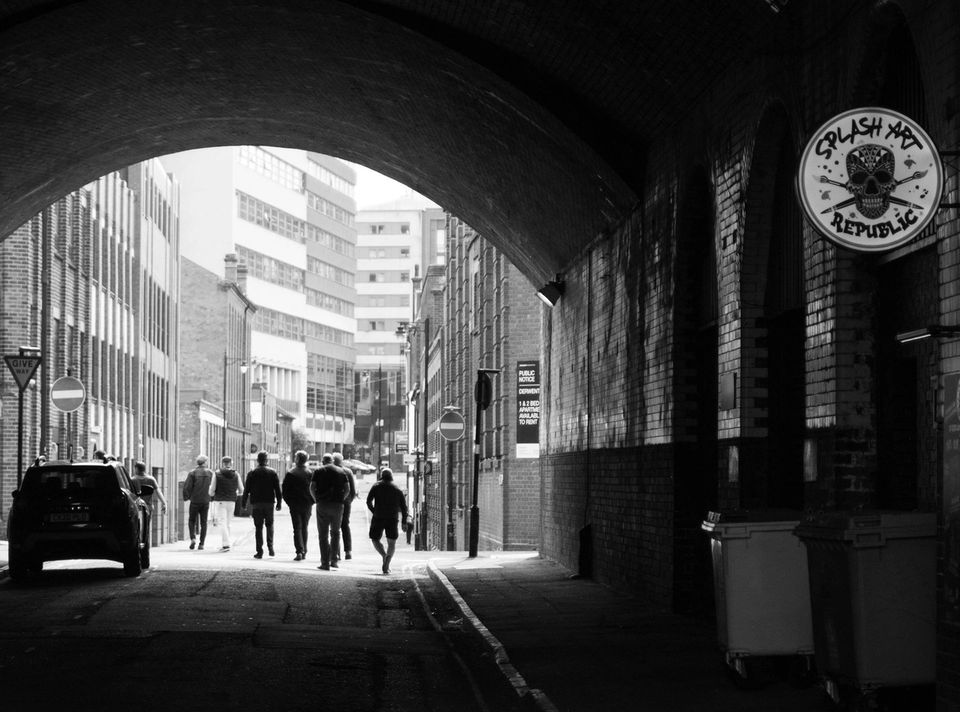
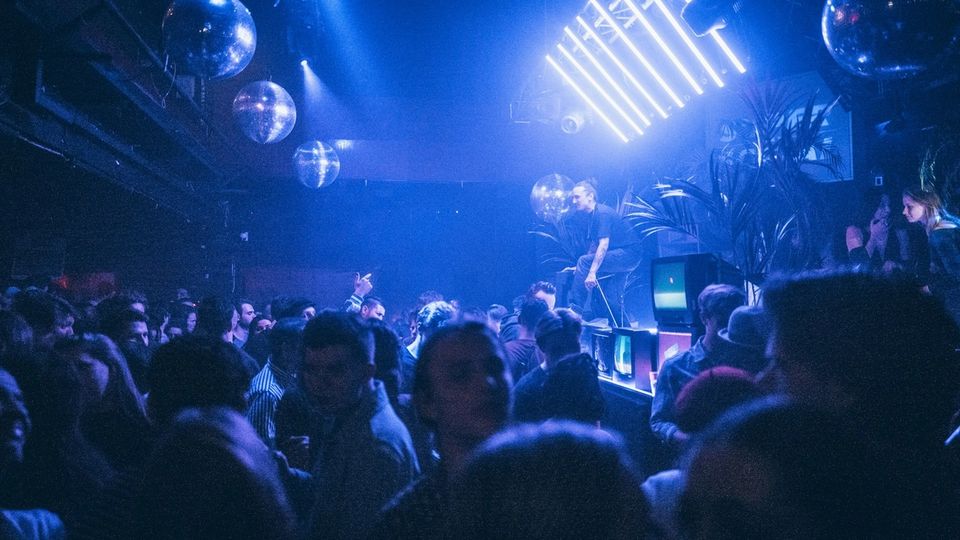
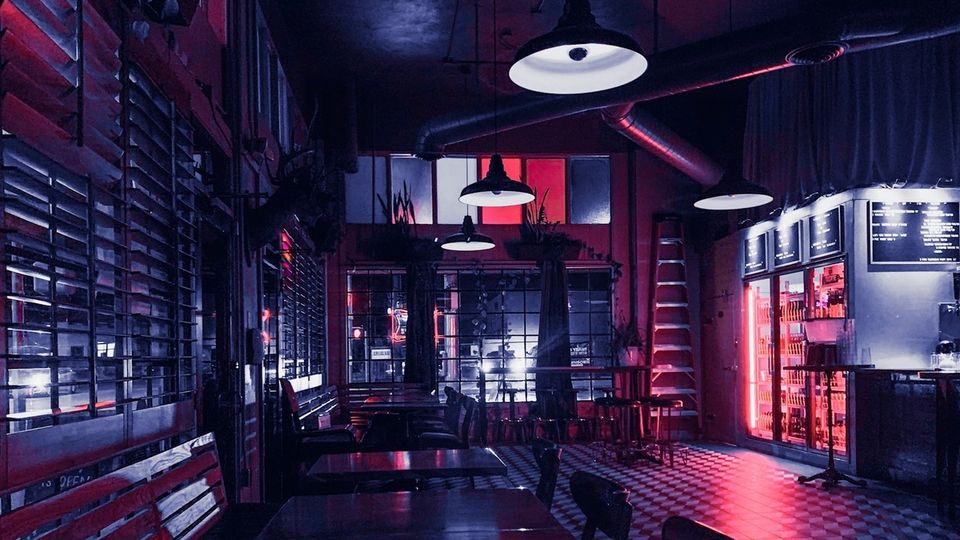
Five venues on Lower Trinity Street in Digbeth are in the path of the Midlands Rail Hub development. XOYO Birmingham, Mama Roux’s, Club Colette, The Night Owl, and Luna Springs (the cluster of independent spaces that makes Digbeth’s nighttime offer distinct from anywhere else in the city) could all face demolition if the Midlands Rail Hub project — which involves reworking the Bordesley viaduct and expanding capacity at Moor Street Station — gets planning approval. Construction could begin as early as 2030.
This is not a hypothetical. Save Digbeth, as campaigners have come to call it, is the specific fight taking place on Lower Trinity Street this October.
A block party as a statement
On Sunday 11 October 2026, the Digbeth Music Venues Alliance and campaign organisation Save Our Scene are staging a protest block party at 5 Lower Trinity Street. The event runs 2pm to 9pm. The lineup includes Silva Bumpa, Low Steppa, Fat Tony, and Fleur Shore.
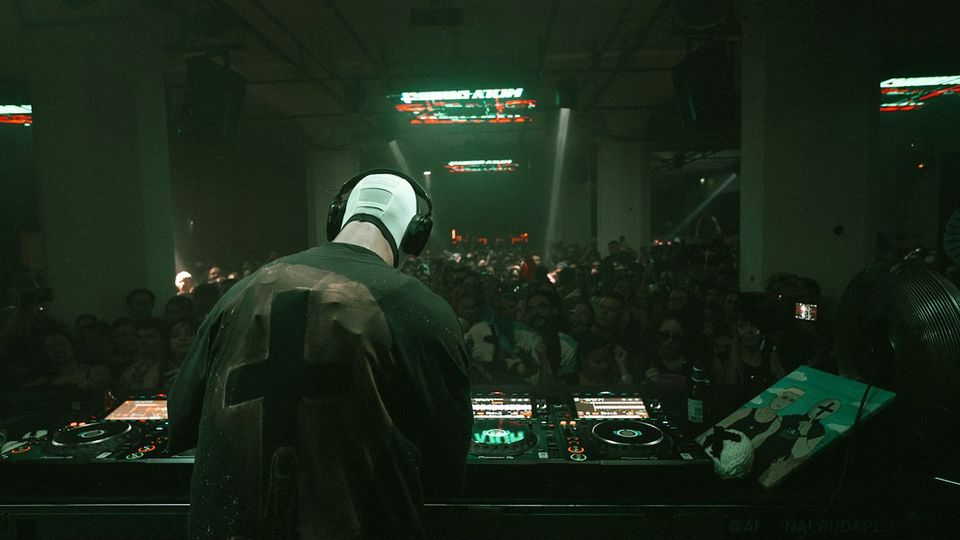
Low Steppa is a Birmingham local. House music, jackin grooves, deep soulful technicality. He built that practice in rooms like the ones now under threat. Having him play there is not incidental.
The event is framed as a demonstration, not a night out. The Digbeth Music Venues Alliance put it directly: “Digbeth is essential to Birmingham’s creative and cultural identity. We are against progress that treats culture as collateral damage.” They describe the venues on Lower Trinity Street as “independent, culturally significant spaces” that have “spent decades building something rare.”
Both quotes are via Mixmag’s reporting (6 October 2026). What they reflect is an organisation that has moved past mourning into something more deliberate.
Save Our Scene has put a letter template on their website — the target is Shabana Mahmood, the Labour MP for Birmingham Ladywood, at saveourscene.uk. Save Our Scene has been operating in this space since 2020. A parliamentary letter template is a different register than a petition: it requires volume, but it lands on a specific desk.
The national backdrop
Digbeth is not an isolated case. It feels local in the sharpest possible way.
The Night Time Industries Association’s September 2026 figures put the UK’s late-night venue count at 28.7% below its pre-Covid baseline. An earlier NTIA report from May 2026 framed the cumulative damage differently. One in three late-night venues gone since 2020. The NTIA has pushed the warning further still: the industry body’s campaign now puts a date on it, with the UK on course to lose its last club night by the end of 2029.
The mechanism in Digbeth is infrastructure rather than pandemic fallout. The result is the same: fewer rooms, narrower range, the progressive elimination of the kind of independent, neighbourhood-rooted venue that builds scenes over decades rather than seasons.
Corsica Studios in London closed in March 2026 after 24 years, absorbed by redevelopment in Elephant and Castle. We covered it here. The argument at the time was that the room itself was the part you could not replicate. Digbeth is that argument happening now, while the decision is still open.
The planning problem
Infrastructure development tends to win planning battles in the UK because planning frameworks are built to measure transport capacity, housing density, and economic output, not cultural geography. Club venues run late, generate noise, and occupy industrial-zoned buildings that look, on paper, like sites waiting for a better use.
One planning tool that has worked in comparable situations elsewhere in the UK is Asset of Community Value status. An ACV designation gives a community formal recognition in the planning record and, when a site comes up for sale, a right to bid. Whether any of the five threatened Digbeth venues have applied for ACV status is not clear from the public record. It is the obvious move. The campaign’s current focus on the MP route suggests the Alliance understands that political pressure and planning-record documentation are the two levers worth pulling.
What DJs can do
Go to the block party on Sunday. 5 Lower Trinity Street, Digbeth, Birmingham B9 4AG. 2pm to 9pm, free. The attendance number matters; so does the presence of DJs and promoters in that crowd rather than behind a screen watching the count.
Email the MP. The template at saveourscene.uk takes a few minutes. Volume in that kind of correspondence registers differently than a social share.
Press record. Sets played at Mama Roux’s, Club Colette, and The Night Owl this year are the evidence of what these rooms are. Planning objections on cultural grounds need documentation: recorded sets with venue and date metadata, photography, the accumulated archive of a room over its lifetime. A DJ who has been recording at these venues for the past five years already holds something that cannot be rebuilt once the room is gone.
The Midlands Rail Hub decision is not made. The block party on Sunday is the community asserting that it should not be made quietly.