 Ohm
Ohm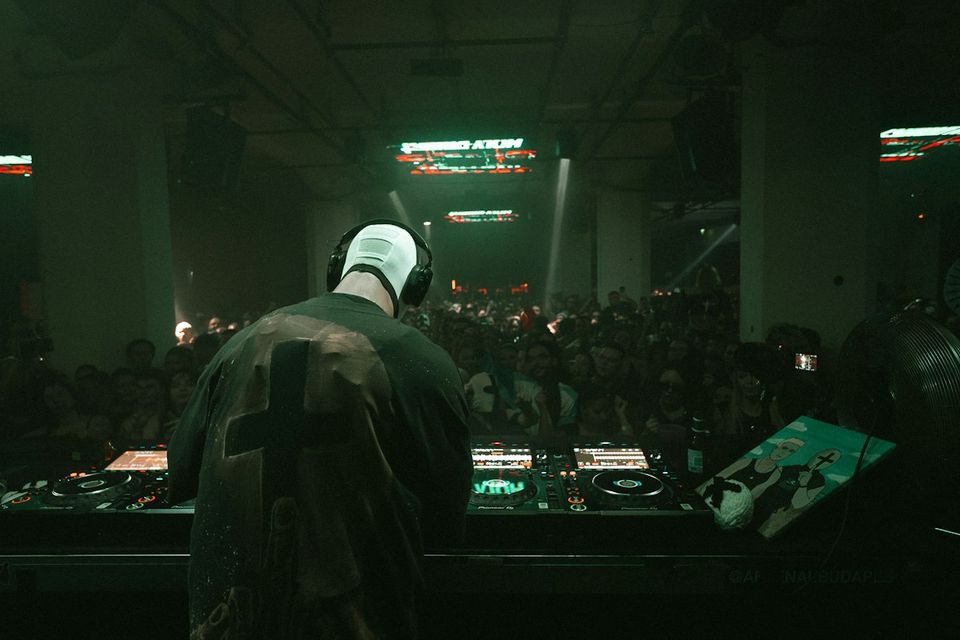
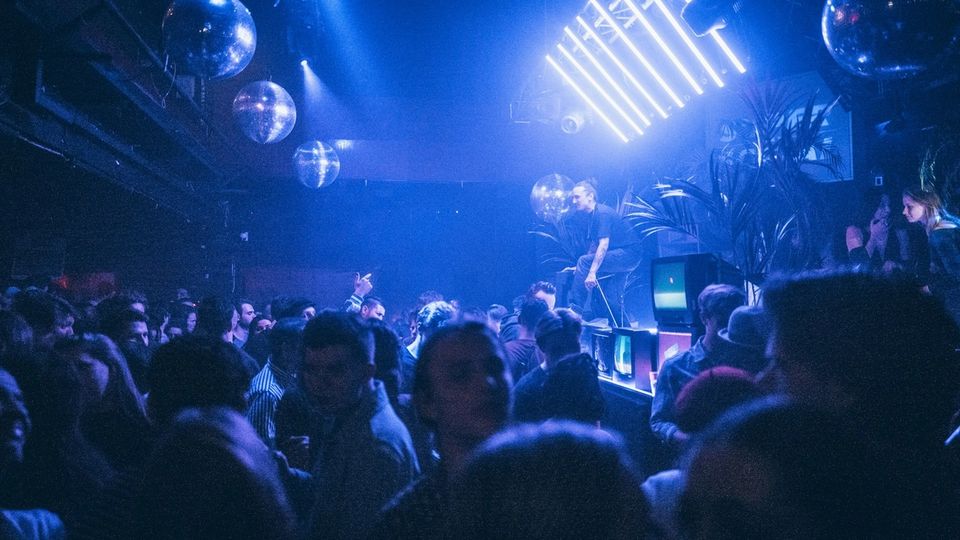
September in Manchester meant one thing. Warehouse Project tickets went on sale, agents started calling, and the entire electronic music ecosystem in the north of England oriented itself around a building in Mayfield. If you played WHP, that credit travelled. If you didn't, you started calculating how to get there.
On 30 September 2026, after 20 consecutive seasons, WHP announced a sabbatical.
Twenty Years of a Season
Sacha Lord and Sam Kandel launched WHP in 2006 out of a derelict brewery in Manchester's Strangeways neighbourhood. The format was September to New Year's Day, and it never broke. The series moved through a succession of spaces as it scaled: into the wartime shelter tunnels beneath Piccadilly, then Victoria Warehouse in Trafford Park, back to Store Street, and finally into Depot Mayfield in 2019 with a capacity of 10,000.
Twenty seasons without a gap is a different kind of institutional weight than a venue running continuously. Club nights close. Residencies end. WHP operated on an annual rhythm: it disappeared every January, returned every September. That cycle became structural to Manchester's club culture. Planning happened around it. Careers were calibrated to it.
The 2026 season was framed as the most ambitious yet. A commemorative film titled "Twenty Years in Manchester." Carl Cox, Aphex Twin, and Deadmau5 on the lineups. By 2025, WHP sat at number four in DJ Mag's annual club poll, up from nineteenth in 2013. The sabbatical announcement followed immediately after the season closed.
What Institution-Scale Club Series Give DJs
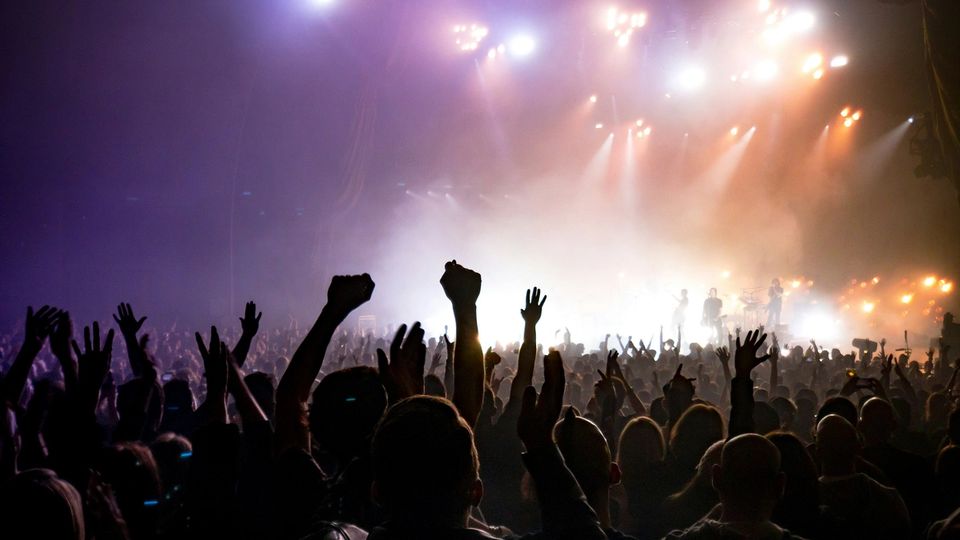
The booking is the obvious thing. A WHP slot pays, it fills a diary date in a competitive September market, and it comes with production values that most UK club nights cannot match at 10,000-person capacity.
What is harder to see is the endorsement structure. A WHP credit on a biography signals something to bookers, agents, and other promoters. It says you played a room where the standard was high and the audience knew the difference. That signal accumulates across multiple seasons. A DJ who played WHP three or four times carries a credibility marker that does not appear on any recording but travels through the industry's informal networks.
There is the community itself. A recurring season builds a consistent group of artists, agents, and production staff who return each year. Introductions made backstage at Depot Mayfield in October become bookings in April. That network reactivates each September. When the season pauses, the network loses its annual focal point.
None of this appears on a fee schedule. All of it shapes a career.
The Sustainability Question
WHP reached a scale that is difficult to sustain without becoming an infrastructure operation. Fifteen-plus events per season at 10,000 capacity each. That is closer to festival logistics than to club promotion, and the operational gap between a 500-person night and a 10,000-person venue is not linear.
The closest UK comparison is Fabric, which had its operating licence pulled in 2016 before winning it back that November. But Fabric's pause was enforced, not chosen. A licensing authority withdrew permission; a legal and fundraising campaign won it back. WHP's sabbatical is voluntary, which makes it structurally different. An enforced closure is a crisis. A chosen pause is, in theory, a reset.
Corsica Studios made a similar choice, announcing its own closure through 2027 in South London. The questions it raised for club culture overlap with what WHP leaves behind: what does an institution owe its ecosystem, and does stepping back protect the long-term future or just postpone a harder question?
Voluntary pauses at institution-scale club series do not have a clear historical pattern. Some return stronger. Some extend the break indefinitely. The sabbatical frame is optimistic by nature. Whether it holds depends on what happens next.
What DJs Do with the Gap
A WHP-shaped gap in the Manchester calendar does not automatically become opportunity for smaller promoters. Capacity is the issue. A 500-person night serves a different audience at a different price point with a different booking budget. The demand WHP concentrated cannot be redistributed downward in any straightforward way.
The mid-tier is where movement happens. Promoters already running events at 2,000 to 3,000 capacity find more latitude to scale: the September window is open, and some of the DJ talent that would otherwise have been locked to WHP lineups becomes accessible. The realistic upside for Manchester club culture is not a substitute WHP, but a more competitive second tier.
For 2027, the WHP season calendar has a gap that has not existed since 2006. For working DJs who built part of their biography around WHP credits, the year without it is a gap rather than a crisis. Agents understand sabbaticals; bookers know about them. The immediate loss is the September network moment: the night in Mayfield where you met five people who matter to next year's calendar.
The Sets That Prove It Happened
WHP has run for twenty years. The publicly accessible archive of recorded sets from those seasons is thin: fourteen shows on Mixcloud, mostly from 2012. The most recent seasons are largely undocumented. Ten thousand people in a room, three hours of music, and the evidence lives in the memories of people who were there.
This is the structural problem with live culture at any scale. The event is enormous. The documentation is an afterthought.
The history of DJ music as a form is a history of recordings. The mixtape, the podcast, the livestream: these are how DJ culture accumulated, transmitted, and built on itself. The sets that got recorded are the sets that got studied and shared. The ones that did not are gone.
If you played a WHP night and recorded your set, you have something permanent. When the season resumes, that recording will be the only detailed evidence of what your mixing actually sounded like in the year the institution paused. The season itself does not document anything. You have to do that part.