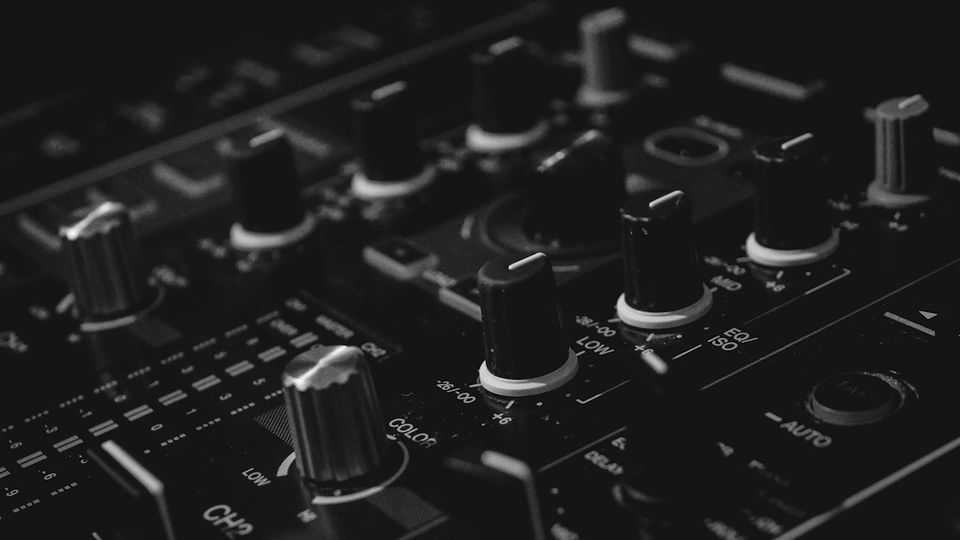
How to Mix With EQ
A practical guide to DJ EQ technique: kill, cut and boost as three distinct tools, what each frequency band does at a transition, and how to use your Ohm recordings to audit your EQ decisions at every marker.
 Ohm
OhmPractical technique, preparation, set building and performance improvement for DJs.
A practical guide to DJ EQ technique: kill, cut and boost as three distinct tools, what each frequency band does at a transition, and how to use your Ohm recordings to audit your EQ decisions at every marker.
Harmonic mixing uses the Camelot Wheel to keep key transitions clean throughout a set. This guide covers the system, how to analyse your library before you play, and how to use Ohm cue markers to audit your key decisions on playback.
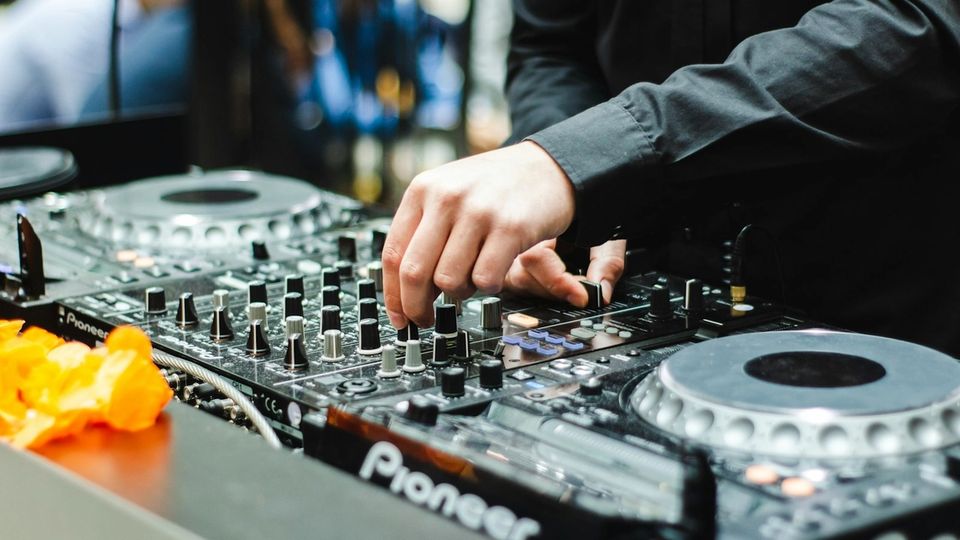
Learn how 8-, 16- and 32-bar phrases work and how to spot them by ear and on a waveform. Then use a recording of your own set as a listen-back loop to tighten your transitions.
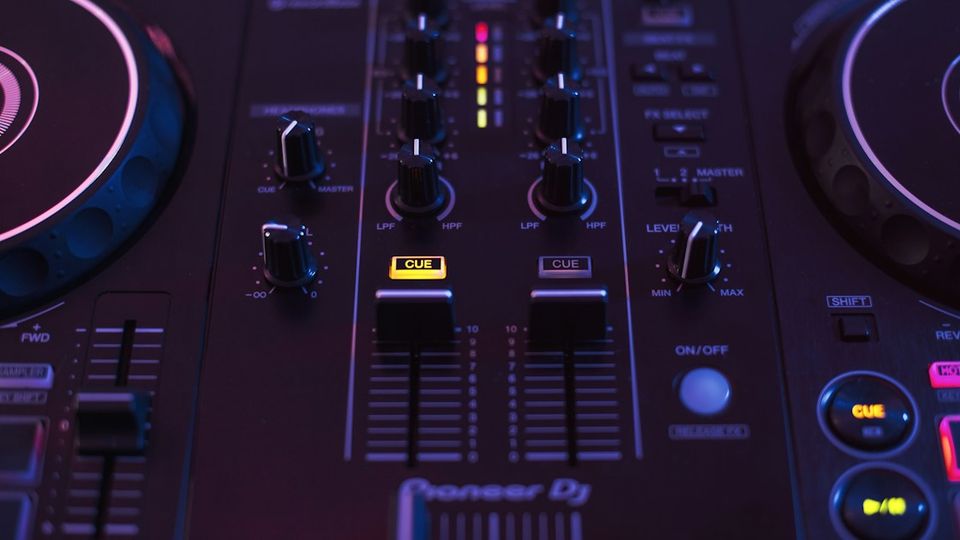
A five-step checklist covering beatgrid accuracy, gain structure, cue points, a test mix, and USB channel verification before recording your DJ set. Each step maps to a specific failure mode and takes under two minutes to check.
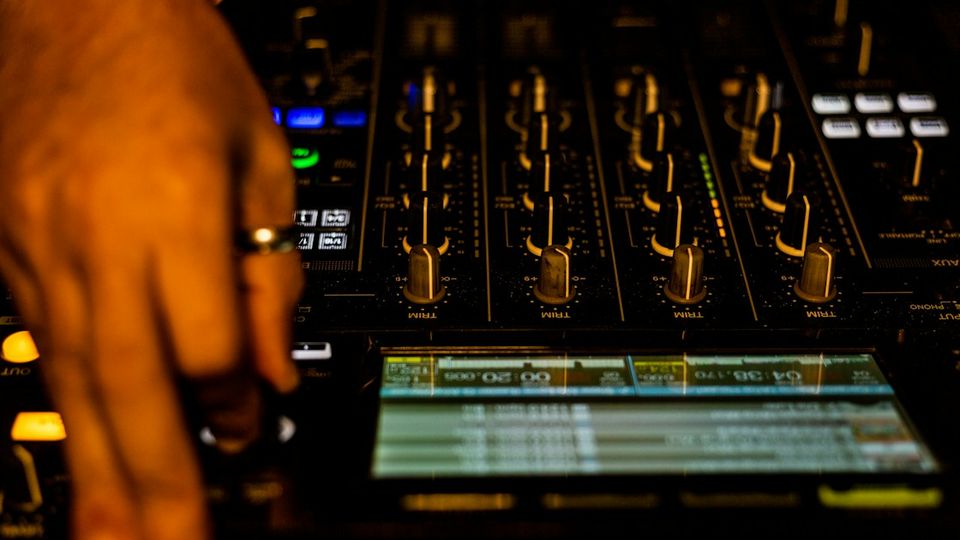
Most cue point guides focus on live performance navigation. This guide covers how to set cue points before a recording session so your mix has clean phrase entries and identifiable moments that make reviewing the set straightforward.
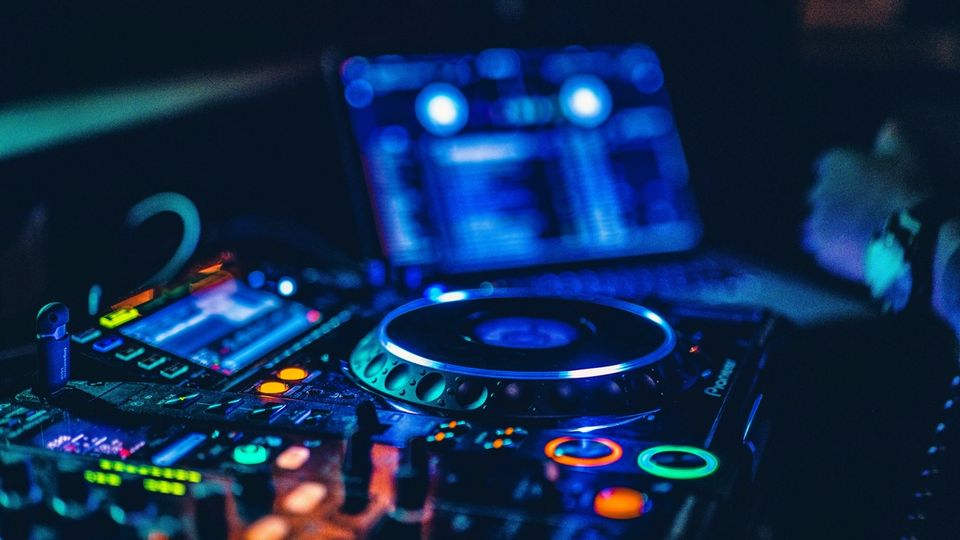
Most bad DJ recordings aren't a hardware problem. They're a gain staging problem. Here's how the signal chain in a Pioneer DJM works, where it goes wrong, and how to fix it before you press record.
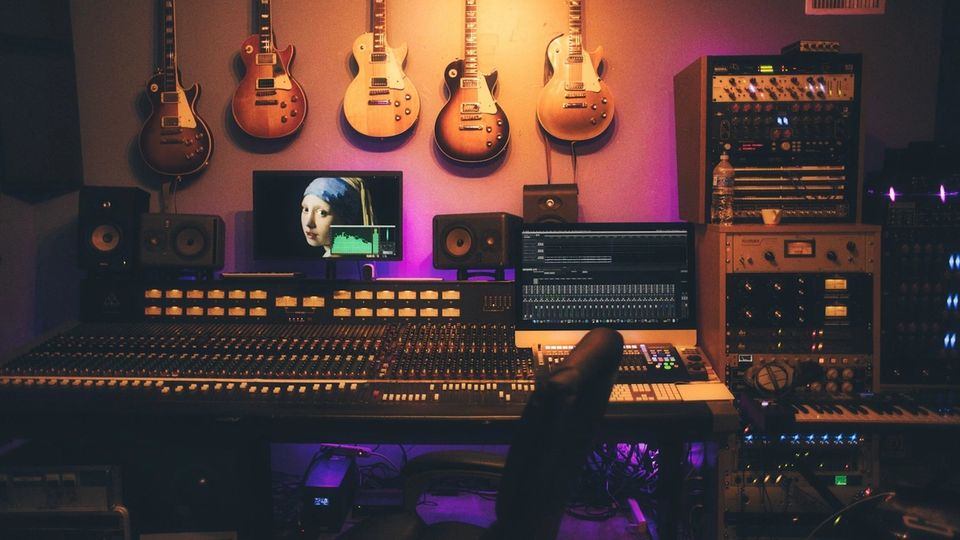
Recording your sets is only useful if you know what to do with the recordings. This guide gives a structured five-dimension framework and a four-step review protocol to turn playback into actual improvement.